Tuesday, 5 April 2022

Do PRP Treatments for Tennis Elbow Work?

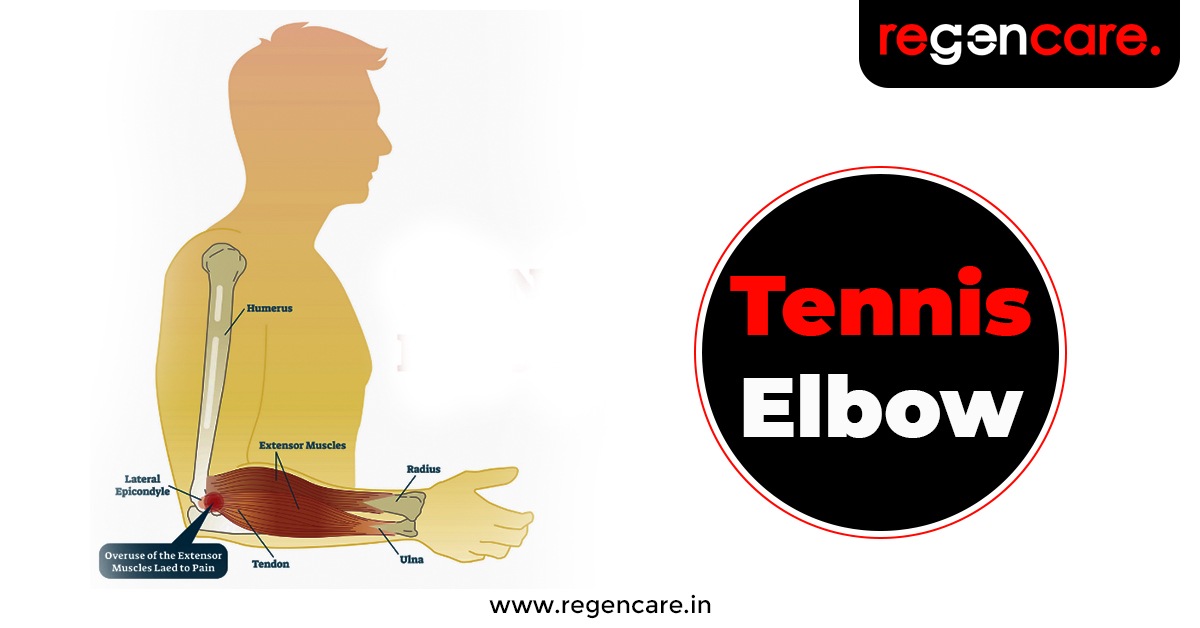
Tennis elbow, also known as lateral epicondylitis, is a common cause of elbow pain. It can affect anybody who participates in sports or works, not just tennis players. Tennis elbow is treated with activity adjustment, exercise treatment, shockwave therapy, and injections. PRP injection for tennis elbow is more popular in recent years.

Understanding the Causes of Tennis Elbow

Tennis elbow is a condition in which the muscles and tendons linking the arm and wrist become irritated or tear. Tendons, on the whole, have a poor blood supply and so heal more slowly than other injuries. A dull aching on the outside of the elbow may be present at the start of the condition. However, when the illness worsens, the inflammation in the area may make it painful to touch.

Even lighter objects, such as a pen or shaking hands, may become impossible to lift at some point. You could have discomfort in your elbow due to tendonitis, arthritis in the joint, or Carpal Tunnel Syndrome in the wrist, in addition to tendonitis. The pain in your wrist could travel up your arm and into your neck.

orthogen p for tennis elbow

Why PRP Injection for Tennis Elbow Works?

Tennis elbow PRP has been shown to be more helpful in relieving pain and discomfort in patients. This is due to the fact that PRP serum has a high quantity of growth factors, mesenchymal stem cells, hormones, chemokines, platelets, and other healing components. Compounds in various growth factors induce the formation of new collagen, which is the foundation of tissues.

PRP also creates new blood vessels in injured tendons, allowing them to absorb a fresh supply of nutrients to help them heal. PRP acts to heal the tissues for long-term comfort, whereas most treatment techniques just ease the pain. If you have Carpal Tunnel Syndrome, PRP for wrist pain can help you get rid of the inflammation and regain mobility.

PRP is a Safe and Effective Treatment Option for Tennis Elbow

Because PRP serum is made from the blood of specific patients, negative effects are extremely rare. Even if there's a chance the therapy won't work, you won't experience any negative side effects. Follow your practitioner's aftercare instructions and dos and don'ts to ensure good outcomes. Visit www.regencare.in for more.

contact-us

Blog Reviewed By: Dr Vineeth MB
Mail Us: info@orthogencare.in
Book an Appointment: regencare.in/book-an-appointment


Sunday, 6 February 2022

Advantages of PRP Therapy for Osteoarthritis

 PRP therapy uses platelet-rich plasma to enhance soft tissue regeneration in a less invasive procedure. It's a sort of regenerative medicine that promotes injury repair and pain relief.

PRP for Osteoarthritis

What is Platelet Rich Plasma?

Platelet-rich plasma (PRP) is autologous blood that contains many growth factors and has a higher concentration of platelets than normal. Platelet-rich plasma is created by drawing blood from the patient directly.

The platelets are separated from the blood and the PRP concentrated content is created using a special centrifuge. The PRP substance is infused into the damaged areas when the proper concentration is obtained.

Is PRP Therapy Safe?

PRP therapy is not only safe, but also successful and dependable in the treatment of pain. It also ensures that edeema and discomfort are reduced.

A significant amount of platelets enriched in growth factors is used in advanced PRP treatment. PRP therapy aids in the relief of pain and the restoration of damaged tissue. It can also aid in the speedy recovery of injuries.

A substantial loss of hyaluronic acid is one of the most typical causes of  osteoarthritis. Hyaluronic acid keeps joints lubricated and cushioned so they can move freely.

PRP therapy can be quite beneficial for osteoarthritis patients experiencing significant knee pain. Due to the presence of synovial fibroblast and hepatocyte growth factors in platelet material, PRP treatment helps restore hyaluronic acid concentration in the knees. Thus, joint damage can be reversed and disease development can be stopped.

Platelets from a patient's blood are used as PRP injectables because PRP substances are created from the patient's own blood. The injections have no negative consequences for the patient in the great majority of situations.

PRP for Osteoarthritis

Benefits

  • Each follow-up appointment resulted in less pain.
  • Their physical function has improved dramatically.
  • Some side effects will be experienced, although they were no more severe than with other injections.
  • PRP injections may potentially help to postpone necessity knee replacement surgery, according to some research.

If you have chronic pain from joint degeneration like osteoarthritis, PRP injections may help. Because PRP injections are still a new treatment, you should ask your doctor if they can help you.

Our experts can assist you if you have knee arthritis and are curious if PRP injections will help alleviate some of the symptoms. Call us at +91-7306567548 to schedule an appointment.  Visit www.regencare.in

contact-us

Blog Reviewed By: Dr Vineeth MB
Mail Us: info@orthogencare.in
Book an Appointment: regencare.in/book-an-appointment


Monday, 29 November 2021

PRP for Sports Injuries

Be it professional athletes or weekend players, when you are into sports, injuries are not always escapable; rather they become a part of your regime. Traditionally, a hurt athlete would be left only with the choice of sitting out to be able to heal from an injury or a surgery. Thankfully, today there are many options that a sportsperson has and PRP is considered to be one of the best.

prp-for-sports-injuries

PRP or platelet-rich plasma is a kind of regenerative medicine. Plasma is an essential component that contains proteins that support the growth of cells. PRP is made by isolating the plasma from the blood and then concentrating it.

In the most minimally invasive manner, it can be very effective for the most common sports injuries. Orthopedic surgeons use PRP injections. They first draw a small amount of the patient’s blood and isolate the healing platelets. The concentrated plasma is then infused through an injection into the affected area. The surgeon uses ultrasound to visualize the targeted area so that the injection reaches the right end.

Let us take a look at the benefits of PRP for sports injuries

  • Has a vast scope and usage

PRP therapy is one of the most cutting-edge pain management techniques for sports and sports-related injuries that may affect joints, ligaments, tendons or other tissues.

  • Relief for Knee Osteoarthritis

PRP therapy can be instrumental in restoring hyaluronic acid concentration in the knees of patients suffering from Osteoarthritis.

  • Helps in managing inflammation

An advanced technique, PRP therapy offers quick, safe and successful healing that helps in reduction of the pain as well as swelling.

  • Minimal Invasion

The benefits of PRP treatments are many, the major one being that it requires minimal invasion. The blood is collected and the plasma is injected thus averting surgery.

prp-for-sports-injuries

For the past three years, Regencare has been the first choice when it comes to the best regenerative medicine center in the whole of South India. Treating patients in our state-of-the-art center we ensure our patients, especially sportspersons get the best treatment.

contact-us

Blog Reviewed By: Dr Vineeth MB
Mail Us: info@orthogencare.in
Book an Appointment: regencare.in/book-an-appointment


Thursday, 30 September 2021

PRP for Osteoarthritis

 Osteoarthritis, or OA, is a chronic joint problem that occurs due to the breakage of cartilage. Cartilage is a protective tissue that covers the tip of bones at joints. It helps in easy friction of the joints. Due to age or injury factors, cartilage may get damaged due to which joint bones rub harshly against each other causing pain or stiffness.

prp-for-osteoarthritis

What is PRP treatment?

PRP stands for Platelets-Rich Plasma which is obtained from your own blood sample. The blood is kept in a centrifuge and then platelets concentration is carefully separated. Next, the doctor injects this concentration into the affected area after numbing the region like knee joints.

How effective it is for Osteoarthritis patients?

Osteoarthritis being a chronic issue can be solved with regular weight-loss exercises and few medications. However, PRP treatment has also proved to be an excellent treatment for some people.

  • It can fix the torn tissues that reduce pain.
  • Physical functions may also be improved via this treatment.

It is important to note here that PRP treatment for OA relief has not yet been fully approved by the experts. There may be different results on your knees. Experiments are still going on to confirm its benefits.

In some cases, there are certain possible aftereffects that may include the following:  

  • Pain at the joint (you must avoid NSAIDs medicines)
  • Headache or upset stomach
  • Nausea
prp-for-osteoarthritis

Do’s and Dont's post-treatment

  • Listen to your doctor
  • Avoid walking until it’s an emergency
  • Put ice on the area every 1-2 hours
  • Rest, rest and rest

Conclusion

PRP treatment has proved to be a wonderful treatment for several patients and as it uses your own blood, it isn’t unsafe either. However, it is always advised to consult and stay in close contact with your doctor before deciding to perform this treatment.

contact-us
Blog Reviewed By: Dr Vineeth MB
Mail Us: info@orthogencare.in
Book an Appointment: regencare.in/book-an-appointment


Sunday, 8 August 2021

Plantar Fasciitis

Pain in the heel or any part of the foot when you take the first few steps in the morning can be largely blamed on Plantar Fasciitis. Plantar Fasciitis is the most common reason that causes heel pain

The plantar fascia is a weblike thick ligament that connects the heel bone to the front of the foot. It supports the arch of the foot by absorbing the shock while walking. The stabbing pain that you feel in the heel or at the bottom of the foot is caused when there is inflammation in this thick band of tissues.

plantar-fasiitis

What symptoms of Plantar Fasciitis should I look out for?

Plantar fasciitis is the most commonly made orthopaedic complaint. It causes pain either in the heel or in the midfoot area. It can affect one foot or both and the pain caused can be dull or sharp.

The pain is triggered when you stand for long hours or when you stand up after sitting or lying down for some time. Some people feel it in the morning when they get out of bed and take their first few steps. Climbing stairs can also feel troublesome due to stiffness in the heel. The people affected by plantar fasciitis feel pain once they stop doing the activity and rarely while doing it. 

What are the main causes of Plantar Fasciitis?

Although a straight cause of plantar fasciitis is still unclear it is believed that due to excessive wear and tear of daily life, the plantar fascia ligament may develop small tears. When there is repeated stretching and tearing of these tissues, inflammation in the fascia is experienced.

Even though the runners’ complain about it the most, others can also experience it often. Though the reason is not yet ascertained, yet there are a few factors that need to be taken care of.

  • It is most common amongst the active men and women in the age group of 40-60 years.
  • Activities that put a lot of stress on the heels can lead to plantar fasciitis like- aerobics, ballet dancing, long-distance running or abnormal walking patterns. 
  • Being overweight or obese can increase the risk of plantar fasciitis.
  • Having foot problems like a flat foot or high arch can lay added stress on the ligament.

Ignoring plantar fasciitis can lead to excessive heel pain and hinder the normal activities of daily routine. Consult a medical expert today. 

Blog Reviewed By: Dr Vineeth MB
Mail Us: info@orthogencare.in
Book an Appointment: regencare.in/book-an-appointment


Monday, 19 July 2021

Diabetic Ulcer

 An ulcer is formed when the skin tissue breaks down and exposes the layers underneath it. Diabetic Ulcer also called Diabetic Foot Ulcer is a commonly found implication of diabetes. In most cases, they are found under the toes and also the balls of the feet. Most patients who have diabetes have the tendency to develop foot ulcers, following good foot care can help in preventing them.

diabetic-ulcer


Identifying the Symptoms of Diabetic Ulcers

If you are a diabetic, it is essential that you discuss your foot concerns with your doctor, so that in case it is a diabetic ulcer, it can be treated at the earliest. Keep in mind that an infected ulcer can also lead to an amputation if it is neglected.

What are the causes of a Diabetic Ulcer?

Diabetic people having ulcers is normal, and the common causes are as follows:

  • Poor blood circulation
  • High blood sugar
  • Damage to the nerves
  • Wounded or irritated feet

Who are at risk of developing Diabetic Ulcers?

Every one who is a diabetic is at risk for foot ulcers, the reasons however, are multiple. There are certain factors that can increase the risk, such as:

  • Wearing poor quality or dirty shoes
  • Trimming toe nails in an improper way
  • Consuming alcohol/ tobacco
  • Eye disease
  • Kidney disease
  • Obesity
  • Heart disease

Treatment of Diabetic Foot Ulcers

If you are suffering from diabetic foot ulcers, staying off your feet can relieve the pain, as walking can make the infection worse and further expand the ulcers. Depending on your medical condition your doctor may prescribe:

1. Lifestyle Alteration:

  • Special shoes
  • Casts/ foot braces
  • Compression wraps
  • Shoe inserts
  • Foot baths
  • Enzyme treatment
  • Dressing to inhibit the growth

2. Medication

Antibiotics or anti clotting medicines may be prescribed by the doctor

3. Surgery

In severe cases your doctor might have to suggest a surgical procedure. Shaving down of the bone or removal of foot abnormalities can greatly help in alleviating the pressure around the ulcer.

diabetic-ulcer

If you notice any blackened skin or a numb area, it is best to see your doctor right away. Untreated foot ulcers can spread to other body parts and also cause abscesses.

contact-us
Blog Reviewed By: Dr Vineeth MB
Mail Us: info@orthogencare.in
Book an Appointment: regencare.in/book-an-appointment

Wednesday, 26 May 2021

Disc Prolapse

Commonly called a slipped disc, disc prolapse, is accompanied by chronic pain in the lower back. There isn’t really a slip of the disc but the internal part of the disc bulges out through a weakness present in the outer part of the disc. This can lead to inflammation and also irritates the nerve/nerves. The expanse of the prolapse is different in different people, a bigger the prolapse is generally more painful.

disc-prolapse

What are the Causes of a Disc Prolapse?

With age when the outer ring of the disc becomes weak or damaged and allows the inner portion to slip out, a disc prolapse may occur.  Sometimes while you are twisting or turning to lift an object, the motion can also cause a slipped disc. People who are overweight are at increased risk too.

What Symptoms should I look out for?

As the outer ring of the backbone starts to become frail and tears down, people who suffer a disc prolapse, also suffer neck and back pain. One more usual symptom is numbness or/and pain in one side of the body which may extend to the arms or the legs. In some patients, the symptoms ease in some weeks, but for some, it continues.

How do I Deal with a Disc Prolapse?

If you have been experiencing continuing back pain, it is suggested that you consult a doctor. Delayed treatment of prolapsed disc can lead to more complications and harm. After consulting with your doctor, you can do some light exercises. Keep in mind, staying fit and mobile will make your muscles stronger and also offer support to your spine.

contact-us

Blog Reviewed By: Dr Vineeth MB
Mail Us: info@orthogencare.in
Book an Appointment: regencare.in/book-an-appointment


Wednesday, 5 May 2021

How to Manage Sports Injuries?

 An injury that happens while exercising or while playing a sport is called a sports injury. Though it is mostly children that are at risk of such injuries, adults can get them too, and in some cases, they can be severe.

sports-injuries

What are the different types of Sports Injuries?


Every injury has different symptoms and complications. However, there are certain common types of sports injuries, such as:
  • Sprains
  • Strains
  • Knee Injuries
  • Swollen Muscles
  • Rotator Cuff Injury
  • Fractures
  • Dislocations

In What Way Can I Prevent Sports Injuries?


Though most injuries are accidental, there are many injuries that can happen due to certain practices. The best ways to prevent such injuries are given below:
  • Learn proper techniques, postures and stances to move while you do your sport or activity
  • Using the right equipment, such as shoes, clothing etc. gives you athletic protection
  • Overdoing an exercise can often cause fatigue or other issues. Ease yourself
  • If you get hurt, do not try working through the pain, let your body recover
  • When recovering, resume your activity slowly


When Do I Need to Call My Doctor?


After an injury if you have any of the following symptoms, get in touch with your doctor as soon as possible:
  • Severe pain
  • Visible lumps/ deformity
  • Weakness or inability to move the hurt area
  • Swelling
  •  Instability

Why Regencare?


At Regencare, our orthopaedics centre receives a large number of patients with sports injuries. Well equipped in handling primary as well as complex sports injuries, including knee and hip replacement surgeries, we have developed enhanced and comfortable recovery pathways for our patients. The hospital and staff are proficient in handling knee, ankle and shoulder related injuries that include ACL, PCL, cartilage, meniscal, rotator cuff injuries.

contact-us


Blog Reviewed By: Dr Vineeth MB
Mail Us: info@orthogencare.in
Book an Appointment: regencare.in/book-an-appointment


Wednesday, 31 March 2021

Meniscal Injuries

The piece of cartilage that provides a cushion effect in the knee joint, between your thigh bone and shinbone is called the meniscus. This small cartilage is prone to injury during activities that put pressure on or rotate the knee joint. A hard tackle on the football field, sudden pivot during basketball or even getting up too quickly from a squatting position can result in meniscal injuries. The meniscus also weakens due to degenerative changes with age and conditions like osteoarthritis which causes stiffness in your joints. Weaker and thinner meniscus is more prone to tear/injury. Some of signs that may suggest a meniscal injury are:

  •     A popping sound around your knee joint
  •     Pain and swelling
  •     Difficulty to move the knee or achieve a full range of motion
  •     Knee appears locked
  •     A feeling that the knee is unable to support you

If any of these symptoms persist for more than a few days or occur after a knee injury, seek medical help from an orthopedician.

Regenerative Medicine for Meniscal Injuries

At Regencare, we have seen excellent results with regenerative medicine using Orthogen-P  to help heal these injuries without the need of long term medications or surgery. This treatment helps to stimulate natural healing and repairs the meniscus to provide stability to the knee. Most of our patients have returned to their daily activities almost immediately. By strictly adhering to our treatment protocols, your knee can have the mobility and function it had before the injury.

Blog reviewed by: Dr Vineeth MB
Mail Us: info@orthogencare.in
Book an appointment: regencare.in/book-an-appointment

Monday, 22 March 2021

Rotator Cuff Injuries

The group of muscles and tendons that keep the head of your arm attached firmly within the socket of the shoulder joint is the rotator cuff. Progressive wear and tear of the tendon tissue due to repetitive overhead activity or heavy lifting for a long period of time may result in injury to the rotator cuff.  Rotator cuff tears may also occur due to a single injury like in case of traumas. The symptoms that can be suggestive of rotator cuff injury include:

  •     Dull aching pain in the shoulders
  •     Disturbed sleep due to pain
  •     Inability to reach behind your back even to comb your hair
  •     Weakness of the arms

Progressing age, occupation that require repetitive arm motions and a history of rotator cuff injuries in the family increases your chance to acquire this disease. Medical attention is of utmost importance in rotator cuff injuries as any delay in treatment can result in permanent loss of motion or weakness of the shoulder joint. Progressive degeneration of the joint can worsen your pain and other symptoms. Keeping your shoulder immobilized for a long time due to pain may also result in a condition called “frozen shoulder.”

Regencare provides treatment for rotator cuff injuries using regenerative therapy by inducing the ability of cells to regenerate, decreasing inflammation and increasing blood flow to the damaged area. This helps to speed up the healing process without the need of any complex surgeries. Regenerative therapy using Orthogen P has shown promise in tendon repair, especially when it comes to the shoulder joint injuries.

Blog reviewed by: Dr Vineeth MB
Mail Us: info@orthogencare.in
Book an appointment: regencare.in/book-an-appointment

Saturday, 9 January 2021

Osteoarthritis Hip

What happens in Osteoarthritis of the Hip?

The hip is the second largest weight-bearing joint of the body after the knee. Osteoarthritis of the hip is the condition which causes pain, swelling, and deformity to the hip joints due to the breaking down of cartilage tissues that protects the joints. Cartilage acts as a "shock absorber" to reduce friction in the joints and inflammation or injury to this joint causes the cartilage to break down. Some key factors which causes osteoarthritis hip are:

  •     Being overweight
  •     Advancing age
  •     Injury to the hip
  •     History of the disease in the family
  •     Genetic defects or improper growth of the joint

Signs and symptoms

Take an appointment with an orthopedician if you notice the following symptoms of hip osteoarthritis:

  •     Pain in the groin, thigh, buttocks or down your leg to the knee
  •     Joint stiffness
  •     Swelling and tenderness
  •     Grinding noise and locking when you move your hip
  •     Decreased range of motion in the hip
  •     Inability to perform routine activities which requires bending

Treatment of Osteoarthritis Hip

Treatment aims at improving the person's mobility and lifestyle by  improving the function of the hip and controlling pain. It involves the following options:

  •     Prescription of medication to relieve pain and inflammation
  •     Put patient on weight loss regime
  •     Surgery like Hip Replacement Surgery, Hip Resurfacing etc.
  •     Alternative rehabilitation therapies
  •     Regenerative medicine using Orthogen P

At Regencare, we specialize in treatment with platelet-rich plasma (Orthogen P), which uses the natural substances in your own body to help tissues heal by releasing substances called growth factors that stimulate healing. When injected into the affected area, Orthogen P encourages the damaged cartilage to regrow and heal without the need of surgery. It is important to maintain a healthy weight and do strengthening exercises to make your path to recovery quicker.

Blog reviewed by: Dr Vineeth MB
Mail Us: info@orthogencare.in
Book an appointment: regencare.in/book-an-appointment

Friday, 27 November 2020

Tennis Elbow

Tennis elbow, medically termed as lateral epicondylitis, is a condition which causes painful inflammation of the elbow joint. Due to this condition, straightening or fully extending your arm is likely to be painful. Tennis elbow is a common injury, especially among sports people, that weakens the tendons that join your forearm muscles to your bones due to repetitive motion.

What causes Tennis Elbow?

Tennis elbow occurs when repetitive stress weakens a specific muscle in the forearm, i.e. the extensor carpi radialis brevis (ECRB) muscle. As the elbow bends and straightens, there occurs microscopic tears in the muscle’s tendon at the point where it attaches to the bone of the elbow. The inflammation and pain are caused due to these minute tears. Playing racquet sports like tennis can often cause this condition. Other activities which may put you at risk for tennis elbow are swimming, golfing or frequently using a screwdriver, hammer, or even computer.

Know the Symptoms

  •     Elbow pain
  •     Radiating pain from the elbow to the forearm and wrist
  •     Weakened grip
  •     Pain while lifting objects or using force


Treatment

Tennis elbow requires a considerable healing time and rest for good recovery. It can be treated with physical therapy, anti inflammatory medications, steroidal injections and various other therapies. At Regencare, we specialize in non surgical, regenerative medicine using PRP  (Platelet-rich plasma) injections. High concentration of platelets and growth factors in PRP treatment (Orthogen P) enhances the healing process and can save you from being surgically treated.

Blog reviewed by: Dr Vineeth MB
Mail Us: info@orthogencare.in
Book an appointment: regencare.in/book-an-appointment

Sunday, 25 October 2020

Disc Prolapse

A prolapsed disc, often known as slipped disc, brings with it chronic pain in the lower back. The disc doesn’t slip in any way but the inner part of the disc bulges out through a weakness in the disc’s outer part. This causes inflammation and also irritates nerve/nerves. The size of the prolapse varies, and the bigger the prolapse the more painful it may be.

Who can get a Disc Prolapse?

Slight back pain is common and experienced by many people, however, the percentage of people who may suffer from a prolapsed disc is one in twenty. Generally, it happens to people who are aged between 30 to 50 years of age. This problem is found more commonly in men than in women.

What can cause a Disc Prolapse?

There are no certain causes of a disc prolapse, and it is not really known why it happens to some people and not to some. It has been observed that the tender and soft inner portion of the disc protrudes over the outer ring due to activities like:

  • Lifting objects
  • Sitting for long periods of time
  • Weight-bearing sports

Factors like:

  • Smoking
  • Obesity
  • Increase in age, can also lead to disc prolapse.

What symptoms should I look out for?

Most people who suffer a disc prolapse, experience neck pain and back pain, as the outer ring of the backbone becomes weak and starts to tear down. Another common symptom is numbness and pain in one side of the body and extends to the arms or legs. Sometimes the pain can get worse at night. In some cases, the symptoms ease in a few weeks, but for some people, it continues.

What are the effects of Disc Prolapse?

A disc prolapse may have the following effects:

  • A delay in the treatment can cause damage to the nerves
  • If the prolapsed disc cuts off nerve impulses, it can lead to loss of bladder or bowel control
  • The compression of nerves can cause loss of sensation in the inner thighs and back of the legs

How to Deal with a Disc Prolapse?

If you have had persistent back pain consulting a doctor would be the right thing to do. As discussed, delayed treatment of prolapsed disc can cause more harm. Your doctor would be able to diagnose if you are suffering from a disc prolapse or not.

In consultation with your doctor, you can do light exercises as being fit and active will strengthen your muscles and offer support to your spine.

Blog reviewed by: Dr Vineeth MB
Mail Us: info@orthogencare.in
Book an appointment: regencare.in/book-an-appointment

Monday, 14 September 2020

Shoulder injuries in sports and their treatment

The human shoulder joint is a Ball and Socket Joint. The upper arm has a ball-like structure fitting into a depression in the shoulder blade. Unfortunately, in every sport, the shoulder is asked to perform tasks involving repetitive activities that put great stress on the structure leading to injuries.


Sports medicine has come up with treatment involving very little hospital stay or invasive methods of treatment. Of these, Orthogen P is one of the most successful. This is a Platelet Rich Plasma (PRP) treatment, patented and popularised by Regencare, a Kochi, Kerala, India based health centre for sports medicine, regenerative therapy and rehabilitation. Platelets are blood cells that cause blood clots and provide healing functions; and plasma is the liquid portion of the blood. PRP involves taking the patient’s own blood, concentrating the platelets and reinjecting it back into the body releasing grown factors stimulating growth.

Some common sports injuries and their treatment:

Sprains and Strains are most common. A sprain occurs when the tissue connecting two bones is stretched and injured, and a strain involves injury to a muscle or tissue attached to a bone. These respond well to R.I.C.E., and Rehabilitation. R.I.C.E. -- REST from activities; ICE application to reduce pain; COMPRESSION to decrease swelling; ELEVATION to keep the injured area higher than or level  with the heart. Rehabilitation involves specialised exercises.

Rotator Cuff Injury - another common sport injury caused by repetitive movement of the upper body. Common in swimming and tennis. Rotator Cuffs are the muscles and tendons that keep the ball/head of the upper shoulder bone firmly in the shoulder socket. The main cause is wear and tear to the tissue and is treated with rest, pain control and rehabilitation. Extreme cases may need surgery and/or PRP treatment.

SLAP (Superior Labrum Anterior Posterior) Injury - Labrum is the ring of cartilage surrounding the shoulder socket and the injury is usually in the form of a tear. Repetitive overhead motion is the main cause of this injury. Treatment involves anti-inflammatory medication;physical therapy to strengthen the shoulder, restore movement and function. Serious cases may involve surgery to remove or repair the torn area.

Shoulder Instability is common in contact sports like football. When this occurs the shoulder joint is not securely held and the upper arm bone may partly or fully pop out of its socket. Immediate treatment is to put it back quickly, followed by pain and anti-inflammatory medication and a sling. Long term treatment involves identifying the cause of the instability and treating it.

Impingement is when the bones of the shoulder rub excessively against the shoulder muscles. Again excessive overhead motion is the cause. Here also, rest, anti-inflammatory medication and therapy are the most common treatments; with extreme cases needing surgery to widen the space around the rotator cuff, allowing free movement.

https://www.regencare.in/contact.html
Blog reviewed by: Dr Vineeth MB
Mail Us: info@orthogencare.in
Book an appointment: regencare.in/book-an-appointment

Friday, 7 August 2020

Sports Injuries

Whenever an injury occurs during a sporting/athletic activity or even exercising, it can be classified or called a sporting injury. Almost all involved in such activities have suffered such injuries at  one time or the other.


These can occur because:
  1.     They participate in what are called ‘contact sports’ like football or similar.
  2.     Did not do a proper warm up before the activity.
  3.     Have not been regularly active.
They are classified as:
  1. Sprains & Strains: overstretching/tearing of ligaments/muscles or tendons.
  2. Knee injuries.
  3. Swollen muscles caused as a reaction to other injuries.
  4. Achilles Rupture: achilles is the thin and powerful muscle at the back of the ankle which can break or rupture.
  5. Fractures - breaking of bones and, Dislocations - forcible pulling of bones out of their joint sockets.
  6. Rotator Cuff injuries. These are the four pieces of muscles that keep a human shoulder moving.
R.I.C.E. is the most common treatment procedure for such injuries. It stands for: REST - to prevent further movement/injury; ICE -  to reduce swelling and pain; COMPRESSION - to prevent swelling, but not too tightly; ELEVATION - to raise the injured part above the level of the heart, to reduce pain and swelling.

Common Injuries:
  1. ACL (Anterior Cruciate Ligament) injury - this is one of the major ligaments in the human knee and can tear/sprain. This occurs when fast movement is suddenly stopped or reversed putting enormous strain on the joint and ligaments. This causes the knee to swell, become unstable and very painful. 
  2. Meniscus injury - another very common injury caused very much like ACL. The meniscus is a tough ‘C’ shaped piece of cartilage that acts as a shock absorber between the thigh and shin bones.
  3. Ligament injury / tear - ligaments are the tough, rope-like tissue that connect the bones to the body and also to limit the movement between the bones. During vigorous activities like sports they are under enormous stress. Injuries are very common, but the knee and ankle are the most vulnerable.
  4. Rotator Cuff Injury - these are the muscles that surround the shoulder keeping the arm firmly in the shoulder socket. Injury occurs when one or more of  the four muscles here is damaged or torn. In sports this is due to repetitive overhead use of the arms or a sudden trauma like a fall or impact into something hard.


Blog reviewed by: Dr Vineeth MB
Mail Us: info@orthogencare.in
Book an appointment: regencare.in/book-an-appointment